(JOUR 310) UNLV Tuition Increase Raises Questions About Affordability, Funding and Student Impact
- balancingact50
- Mar 10
- 6 min read
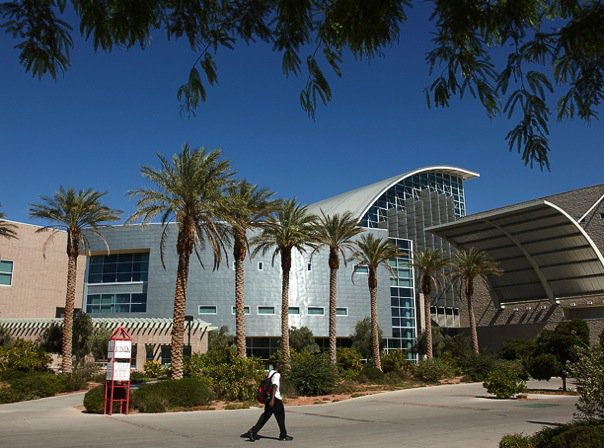
For many students at the University of Nevada, Las Vegas, the cost of attending college is something they calculate constantly.
Each semester, they check their tuition balances, estimate how much financial aid will cover and determine whether they need to take on extra work hours to stay enrolled. Even small increases in tuition can ripple through those calculations, forcing students to reconsider how many classes they can take or whether they can continue their studies at all.
This year, those concerns have resurfaced across campus.
The Nevada System of Higher Education recently approved a tuition increase affecting students at UNLV, a move administrators say is necessary to help maintain the university’s financial stability and support ongoing operations.
But for many students, faculty members and campus leaders, the decision has sparked a broader conversation about the cost of higher education and whether universities can continue raising tuition without placing additional burdens on those already struggling to afford college.
The discussion reflects a growing national debate about how public universities balance financial sustainability with their mission to provide accessible education.
At UNLV, the issue is especially significant.
As Nevada’s largest public university, UNLV serves tens of thousands of students, including many who are the first in their families to attend college. A large portion of the student population also relies heavily on financial aid programs, scholarships and part-time employment to cover tuition and other educational expenses.
For those students, even modest changes in tuition can have meaningful consequences.
The Nevada System of Higher Education recently approved a tuition increase at the University of Nevada, Las Vegas, citing rising operational costs, infrastructure needs and long-term budget pressures. University administrators say the additional tuition revenue will help maintain academic programs, support campus operations and address funding gaps created by expiring state appropriations. However, the decision has raised concerns among students and faculty members who worry the increase could place additional financial strain on low-income and first-generation students. The change has also prompted questions about how tuition decisions are made, how student input is incorporated into the process and whether rising costs could affect enrollment, retention and overall access to higher education in Nevada.
“In response to this, we’ve seen students request more support services because the cost of attendance continues to increase,” said Kelechi Odunze, a student leader who has participated in discussions about tuition and affordability at UNLV. “Financial aid scholarships have increased as well, but many students still feel the pressure as tuition, housing and everyday living costs continue to go up.”
Odunze said the impact of tuition increases can extend beyond a single semester. “When tuition rises, it can influence whether students are able to remain enrolled full time or how long it takes them to graduate,” he said.
University administrators say the tuition increase reflects broader financial realities facing public universities across the country.
Like many institutions of higher education, UNLV relies on a combination of funding sources to operate. These include state appropriations, tuition revenue and institutional funds generated through various programs and partnerships.
While state funding provides an important foundation for university budgets, it does not cover all operational costs.
As a result, tuition revenue plays a significant role in helping universities maintain services, expand academic programs and support student resources.
Chris Viton, who works on budgeting and financial planning at UNLV, said the tuition increase is part of a larger effort to ensure the university can meet its long-term financial obligations while continuing to serve its growing student population.
According to Viton, tuition revenue supports a wide range of essential functions across the university.
These include maintaining academic departments, supporting faculty and staff salaries, operating campus facilities and funding administrative services that keep the university running.
Over time, many of those costs have increased.
Inflation has driven up expenses related to utilities, construction, equipment and facility maintenance. Universities must also keep pace with evolving technological needs and infrastructure upgrades required to support modern learning environments.
At the same time, enrollment growth at institutions like UNLV has created additional demands for classroom space, student services and academic programs.
Administrators say balancing those financial pressures requires careful planning and long-term budgeting strategies.
One challenge facing UNLV involves temporary state funding that is scheduled to expire in the coming years.
According to university officials, the institution previously received approximately $57 million in temporary funding from the Nevada Legislature. That funding helped support operations but was never intended to serve as a permanent revenue source.
Once those funds expire, universities must find other ways to maintain the programs and services they support.
Without additional funding, the loss of those resources could create significant budget shortfalls.
University leaders say tuition adjustments can help stabilize finances while preventing sudden or dramatic reductions in academic programs or campus services.
“The budgeting process is designed to ensure that tuition revenue supports student success while also maintaining the university’s long-term financial stability,” Viton said. “Through a combination of operating revenue and financial planning, we’re working to make sure the university can continue providing programs and services students depend on.”
He said addressing long-standing infrastructure and operational needs requires sustainable funding. “Deferred maintenance, facility upgrades and administrative costs all play a role in how universities allocate their resources,” Viton said.
Despite those explanations, the tuition increase has raised concerns among some students and faculty members.
Faculty members say rising tuition can affect students in ways that extend beyond simple financial calculations.
Students who struggle to pay tuition may take fewer classes each semester, delay graduation or increase the number of hours they work outside school.
Those changes can affect academic performance and overall student well-being.
Mardi Dow, a faculty member who has followed the tuition discussions closely, said many professors worry about the long-term consequences of rising costs.
Faculty often see the impact firsthand when students attempt to balance academic responsibilities with employment or financial stress.
Students who take on additional work hours to cover tuition expenses may have less time available for studying, research or participation in campus activities.
Over time, those pressures can affect retention rates and graduation timelines.
Dow said affordability remains one of the most important issues facing public universities.
Historically, institutions like UNLV were created to provide accessible education for broad segments of the population.
But as tuition rises nationwide, maintaining that accessibility can become more difficult.
Students from lower-income backgrounds may face the greatest challenges.
Many rely on a combination of financial aid programs, scholarships and part-time employment to cover educational expenses.
At UNLV, programs such as the Nevada Promise Scholarship, the Silver State Opportunity Grant and the Governor Guinn Millennium Scholarship provide important financial support.
These programs help offset tuition costs for thousands of students across the state.
Even with those resources, however, many students still face financial gaps between the cost of attendance and the aid they receive.
Housing costs, transportation expenses, textbooks and everyday living costs all contribute to the total cost of earning a degree.
When tuition increases are added to those existing expenses, the financial strain can become even more significant.
Student leaders say conversations about affordability are becoming more common on campus.
Odunze said many students have expressed concern about how rising tuition could affect their ability to stay enrolled.
Some worry that future increases could push college beyond their financial reach.
Others say they are already making adjustments to manage the additional cost.
According to Odunze, student surveys and feedback efforts have collected hundreds of responses related to tuition affordability and financial stress.
Those responses have been shared with university administrators and system leaders as part of the broader discussion about tuition policy.
While students appreciate opportunities to share their perspectives, some remain uncertain about how much influence their feedback ultimately has on final decisions.
Faculty members have also raised questions about whether additional alternatives could be explored before raising tuition.
Some have suggested that stronger advocacy for state funding, expanded partnerships or adjustments to spending priorities could help reduce reliance on tuition increases.
Others point to Nevada’s tourism-driven economy as a potential source of expanded support for higher education funding.
Advocates say stronger investment in universities could help maintain affordability while supporting economic development across the state.
University leaders acknowledge that long-term funding solutions will likely require cooperation between educational institutions, policymakers and state officials.
In the meantime, administrators say they must continue balancing financial sustainability with the needs of students.
Financial aid policies also play a role in that balance.
Universities typically reserve a portion of tuition revenue through fee-set-aside policies, directing those funds back into financial aid programs for students who demonstrate financial need.
Those programs help offset some of the impact of tuition increases, particularly for lower-income students.
Still, some critics argue that financial aid alone cannot fully solve the affordability challenge.
They say broader structural changes may be needed to ensure higher education remains accessible for future generations of students.
For many students at UNLV, the debate about tuition is not just about budgets or policy decisions.
It is about whether the opportunity to earn a college degree remains within reach.
“The student voice has to remain part of these conversations moving forward,” Odunze said. “If tuition continues to rise, the university needs to ensure students are being heard and that support systems grow alongside those increases.”
He said maintaining access to education should remain a priority. “Higher education should still feel achievable for students who are willing to work for it,” Odunze said. “If the financial burden becomes too heavy, it risks pushing some students away from opportunities that college is meant to provide.”



Comments